Tactile Ceramics: Finding Poetry in Everyday Vessels
How handmade pottery, stoneware bowls, and imperfect glazes bring grounding presence to daily meals.
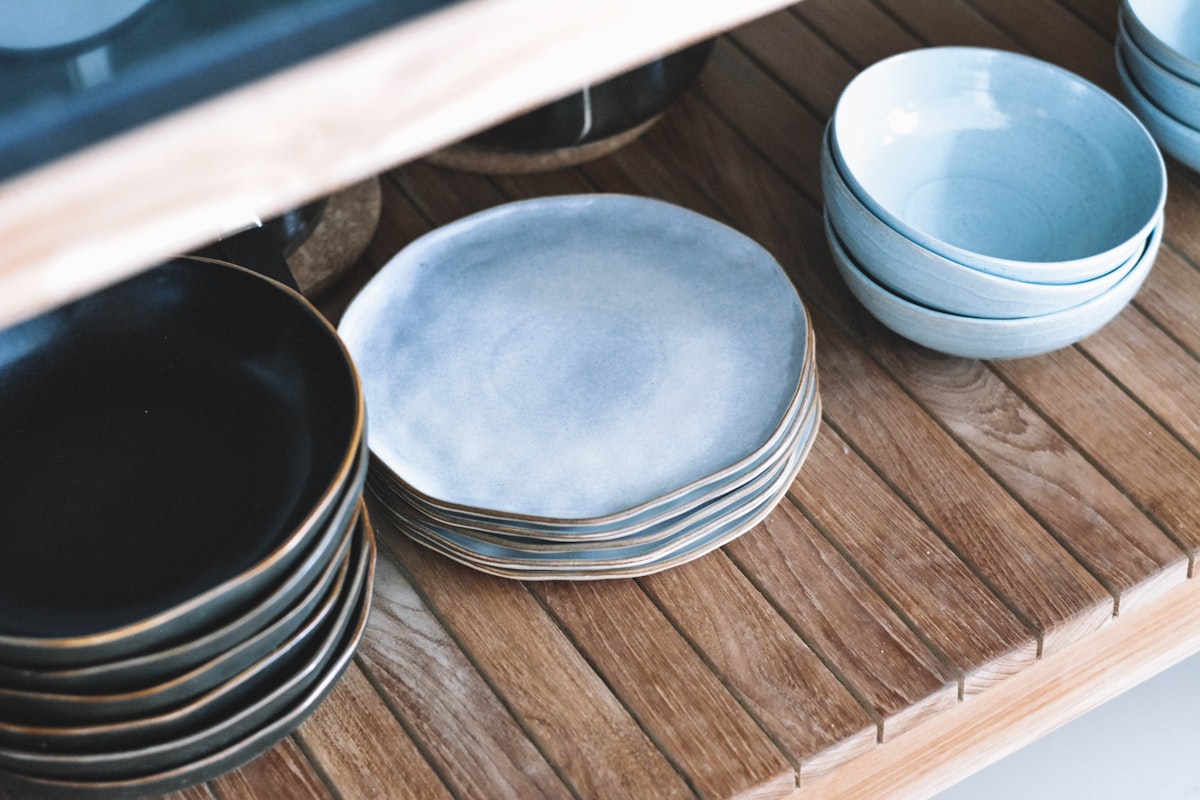
In Japanese aesthetics, the concept of wabi-sabi celebrates the imperfect, impermanent, and incomplete. Few objects embody this philosophy as viscerally as hand-thrown ceramic tableware. The subtle finger marks of the potter, the organic glaze drips, and the earthy texture of unglazed clay awaken our sense of touch.
Drinking your morning matcha from a hand-thrown bowl or serving roasted root vegetables on an asymmetrical stoneware platter elevates an ordinary routine into a moment of mindful appreciation.
The Materiality of Stoneware and Earthenware
Unlike mass-produced porcelain that feels slick and sterile, high-fired stoneware retains the grain of mineral sand and volcanic ash. When you hold a heavy mug whose raw clay base remains exposed, your fingers directly contact the elemental earth. Over months and years of use, tea tannins and natural culinary oils create a subtle craquelure patina that records the passage of domestic life.
- Selecting Daily Vessels: Look for comfortable weight distribution in mugs and wide, shallow pasta bowls that frame food with generous negative space.
- Embracing Irregularity: Celebrate slight variations in rim curvature and speckled iron blooms as marks of authentic studio craft.
- Caring for Studio Pottery: Hand-wash with gentle soap and allow pieces to air-dry thoroughly on open timber drying racks.
Filling your kitchen with handmade pottery connects you to centuries of artisans who transformed mud and fire into enduring instruments of daily comfort.

The Art of Slow Curation: Building a Timeless Wardrobe and Mindful Space
How paring back our everyday possessions fosters creative clarity, emotional ease, and a deeply authentic personal aesthetic.

The Morning Ritual: Creating Quiet Pockets Before the World Wakes
Design a serene dawn routine centered around sensory stillness, pour-over coffee, and screen-free reflection.

Curating the Domestic Sanctuary: Warm Minimalism at Home
Blending tactile ceramics, architectural lighting, and natural greenery to create spaces that breathe and soothe.