The Art of Slow Living in Small Spaces: Light, Breath, and Spatial Flow
How thoughtful spatial zones, mirrors, and dual-purpose bespoke furniture transform compact city apartments into calm retreats.
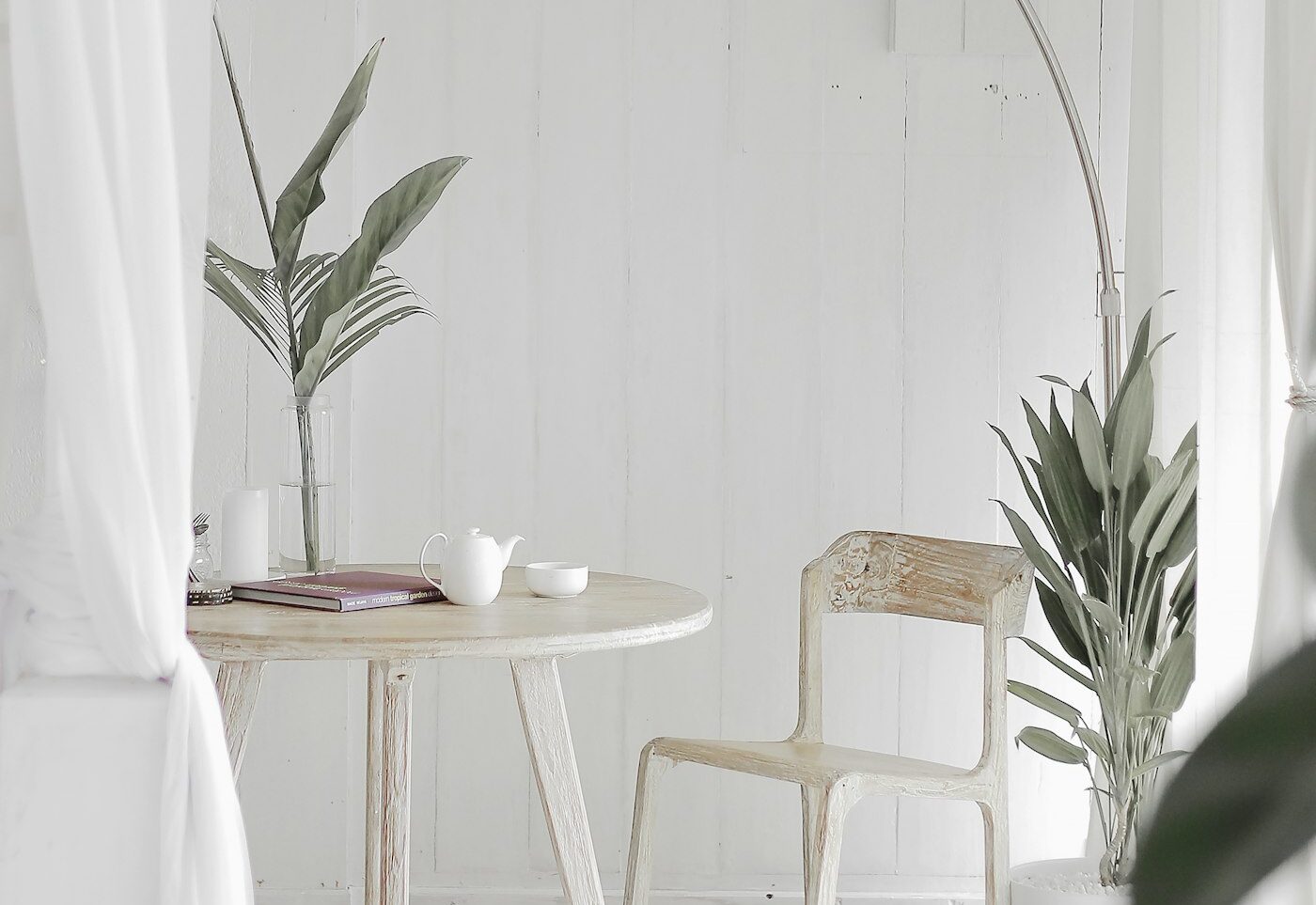
Living in a compact urban apartment does not mandate visual clutter or sensory claustrophobia. In fact, spatial constraints often inspire the most creative and disciplined interior solutions.
By paring down belongings to only the truly functional and beloved, installing full-height sheer curtains that draw the eye upward, and utilizing low-profile Japanese-inspired furnishings, even a modest studio can breathe with generous spaciousness.
Strategic Principles for Micro-Living
The secret to expansive small-space living lies in preserving continuous sightlines and floor plane visibility. Choose sofas and credenzas lifted on slender legs that let light pass underneath. Hang floor-to-ceiling Belgian linen drapes above window frames to accentuate vertical height, and position oversized antiqued mirrors opposite natural light sources to visually double the room.
- Closed Storage Dominance: Hide visual noise behind flat-front minimalist cabinetry so eye-level surfaces remain serene.
- Monochromatic Flooring: Maintain consistent wood or stone flooring across all rooms to create seamless spatial flow.
- Multifunctional Furniture: Invest in a drop-leaf solid oak dining table that transitions effortlessly from morning workstation to dinner setting.
When every square meter is designed with conscious restraint and purpose, a compact apartment becomes a cozy, deeply restorative urban jewel box.

The Art of Slow Curation: Building a Timeless Wardrobe and Mindful Space
How paring back our everyday possessions fosters creative clarity, emotional ease, and a deeply authentic personal aesthetic.

The Morning Ritual: Creating Quiet Pockets Before the World Wakes
Design a serene dawn routine centered around sensory stillness, pour-over coffee, and screen-free reflection.
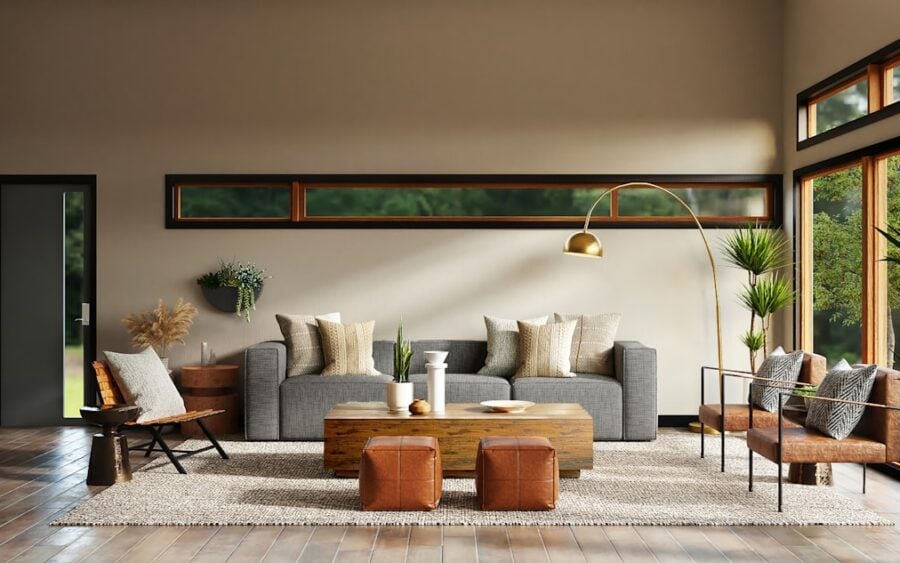
Curating the Domestic Sanctuary: Warm Minimalism at Home
Blending tactile ceramics, architectural lighting, and natural greenery to create spaces that breathe and soothe.